Funnels & automation
How to Build a Messenger Autofunnel: Step by Step
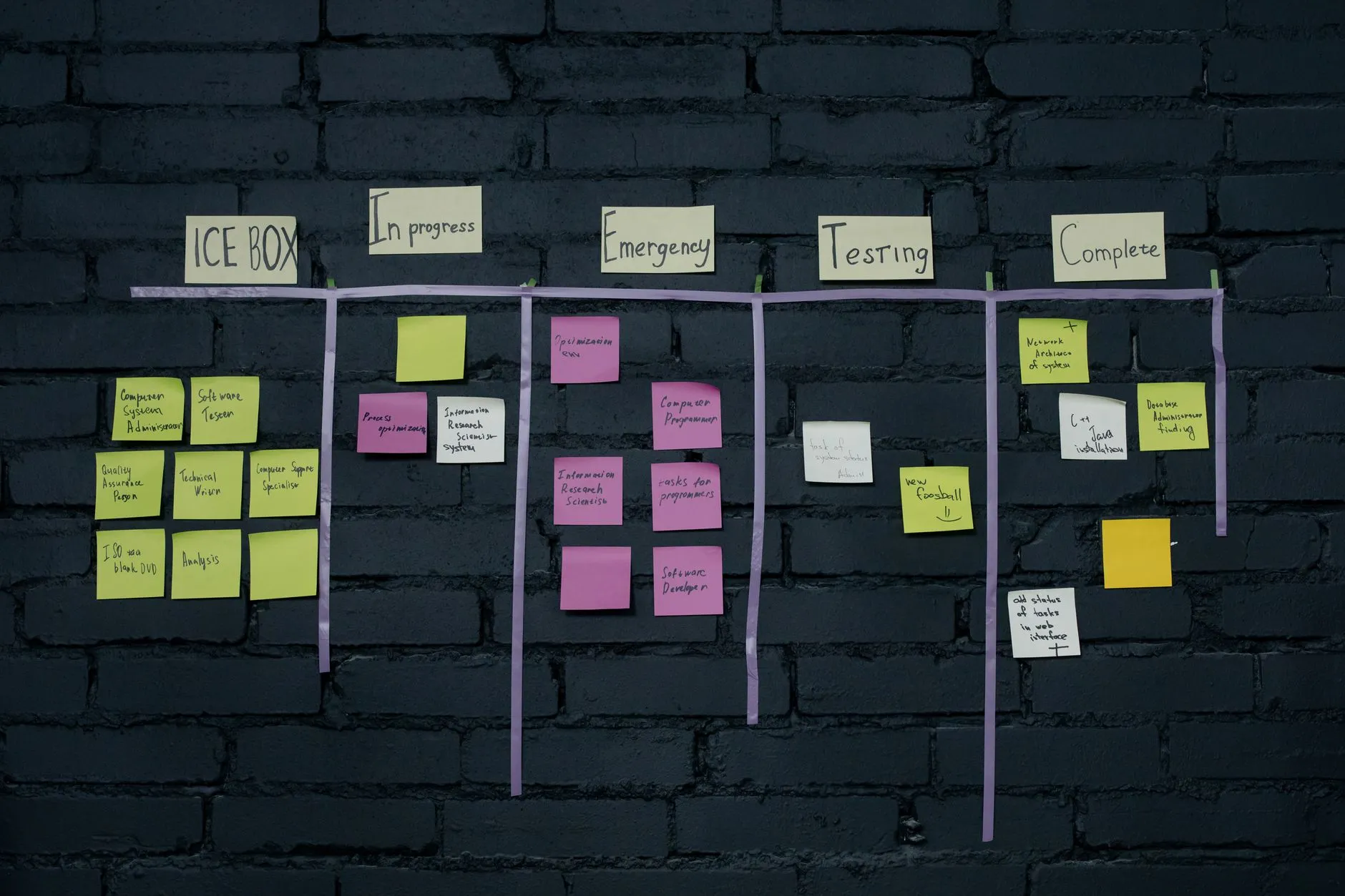
To build an autofunnel in messengers, pick an entry trigger, write a greeting with one clarifying question, map reply branches and add a hand-off to a human agent — that’s enough for a working funnel.
An autofunnel isn’t about “replacing people” — it’s about making sure no lead is left without an instant response. Here is how to assemble one step by step.
What is an autofunnel and why use one?
An autofunnel is a sequence of automated messages from the first question to an order. Its core value is an instant response around the clock, because reply speed is what affects sales the most.
The window that matters is the one where the buyer is still in the conversation: they asked while the intent was live, and an hour later they are somewhere else.
What steps make up an autofunnel?
A basic funnel has four parts. Start with a simple linear scenario and add complexity only once you can see where customers drop off.
- 1
Trigger
A comment, ad or keyword starts the chat.
- 2
Greeting
Value plus one clarifying question.
- 3
Branches
2–3 scenarios: price, availability, delivery.
- 4
Hand-off
A non-standard question goes to a human agent.
Which triggers start the funnel?
The triggers that work best are tied to intent: a keyword in comments, a button in an ad or a first message in Direct. Avoid starting the funnel on random actions — it annoys people and erodes trust.
How do you keep the funnel from feeling like spam?
Give value at every step and always leave the customer a way out of the chat. A funnel should feel like fast help, not pursuit — that’s when it raises conversion instead of unsubscribes.
Frequently asked questions
What is an autofunnel in messengers?
An autofunnel is a pre-built sequence of automated messages that leads a follower from the first question to an order. It starts on a trigger, asks clarifying questions and delivers the right answer, running around the clock without an agent on the routine steps.
What steps make up an autofunnel?
A basic autofunnel has four parts: an entry trigger (comment, ad or keyword), a greeting with a first question, reply branches for different requests, and a hand-off point to a human agent. That's enough to close simple orders automatically and pass complex ones to a person.
Does an autofunnel replace a human agent?
No. An autofunnel handles the first contact and common questions, but final agreement and non-standard requests are best left to a person. The highest conversion comes from a hybrid: the bot warms up and qualifies, the agent closes.
Read next

autofunnels
How to test an autofunnel and where it usually breaks
A step-by-step autofunnel test before and after launch: five common break points, how to find them, and what to measure to see the real cause.

autofunnels
Post-purchase autofunnel: upsell and repeat orders
What to send a customer after they buy: confirmation, care tips, an upsell and a review request — the sequence that brings them back for a second order.
autofunnels
A reminder autofunnel for your live stream
How to build a live-stream reminder funnel in messengers: keyword sign-up, a three-message reminder chain, and selling after the broadcast ends.

autofunnels
A Stories poll autofunnel that ends in Direct
How to turn a Stories poll sticker into an automatic funnel: the viewer's tap opens a Direct conversation with a message that leads to an order.