Funnels & automation
Post-purchase autofunnel: upsell and repeat orders
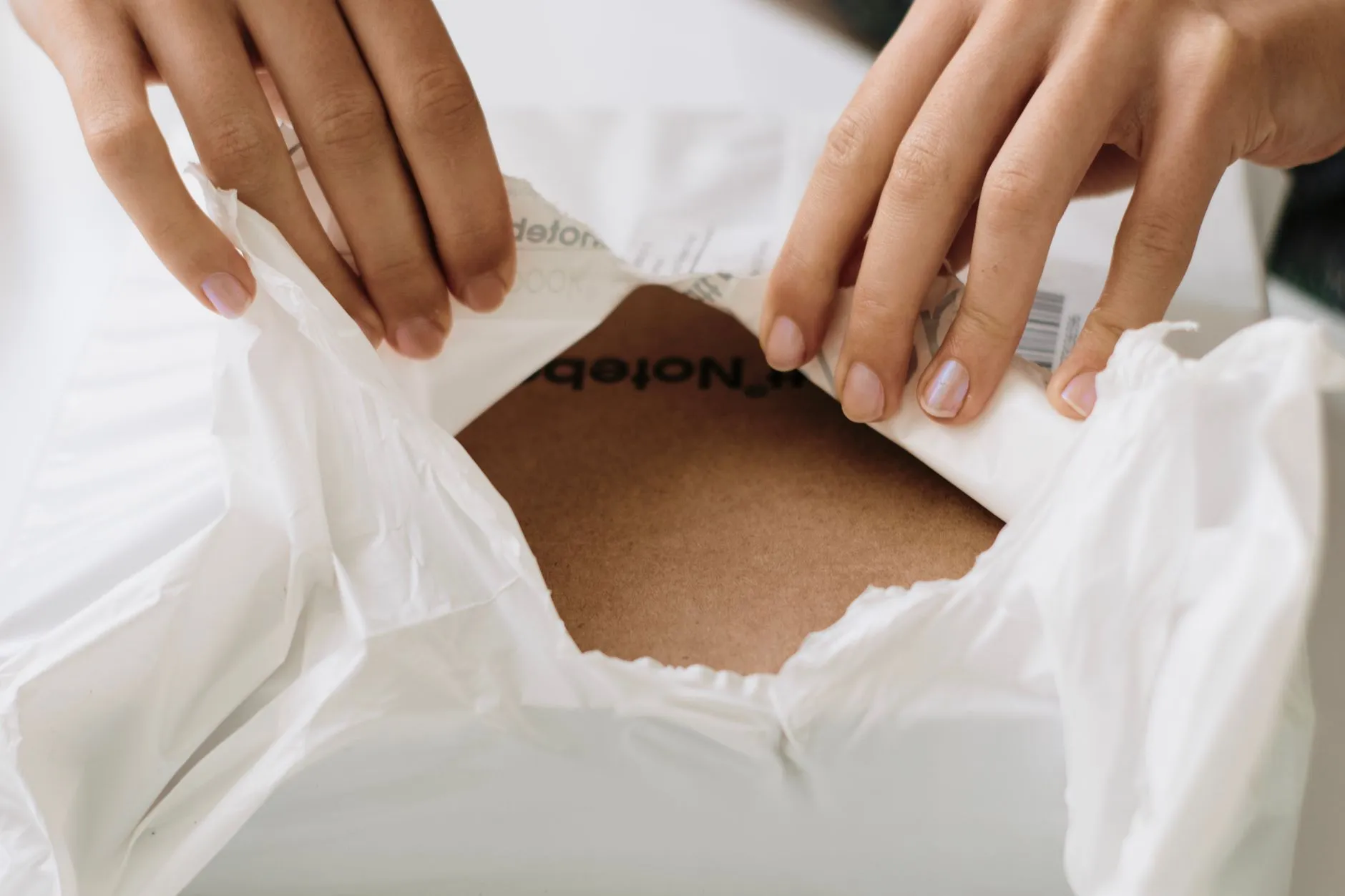
A post-purchase funnel is four messages after payment: confirmation, value on delivery day, a companion offer a week later, a review request. The selling comes third, not first — and that’s why it works.
Most shops end the conversation at «thanks for your order». A customer who has just paid is the warmest audience you will ever have, and that is precisely the moment everyone stops talking to them.
Why not upsell right after payment?
Because the decision has only just been made and hasn’t psychologically «closed» yet. An offer to buy more at that moment reads as «you didn’t buy enough» and undermines a choice the person was just feeling good about.
The second reason is practical: they haven’t held the product yet. They don’t know whether it met expectations, so any further purchase doubles their risk.
What do you send on delivery day?
Value with no selling. A short note: how to care for it, how to store it, how to get started quickly.
That message does two jobs at once. It lowers the chance of a return — most returns come from wrong use in the first days. And it opens the channel: the person replies «thanks», and the relationship becomes a conversation rather than a transaction.
What does a well-judged upsell look like?
Seven to ten days later, one product, logically continuing what they bought.
- 1
Logical
Shoe care with shoes, a strap with a watch, the second piece of a set.
- 2
Acceptable
The same item in another colour — if they asked about it during the purchase.
- 3
Weak
A random discounted product. That's a broadcast, and it reads as one.
Wording matters too. «You’ve got [product] — people usually add [companion] so that [specific benefit]» works because it explains the link. «10% off everything» works on nobody, because it explains nothing.
When and how do you ask for a review?
In week two, once the product has been used. And as one question they can answer in the chat — not a link to a form.
A reply in chat is worth double: you get the review and a live conversation in which you can ask a follow-up. A form gives you only the first, and less often.
Bringing a customer back for a third order
The key is a reason tied to the product’s consumption cycle. Cosmetics run out in 6–8 weeks, replacement heads in two or three months, seasonal clothing in six.
A message at that moment reads as care: «Your [product] should be running low — top up?». The identical message at a random interval reads as a broadcast.
If you don’t know your product’s cycle, ask three regular customers. It’s a five-minute conversation that gives you the most accurate interval in the entire funnel.
Frequently asked questions
How long after a purchase can you offer something else?
After the customer has received and tried the product — usually 7–10 days. An upsell at the order-confirmation stage reads as greed and spoils the purchase they just made.
What makes a good upsell?
Only something genuinely used alongside what they bought: shoe care with shoes, a replacement cartridge with a device, the second half of a set. A random discounted item is a broadcast, not an upsell.
How do you ask for a review people actually leave?
Briefly, with a specific question, and without linking to a ten-field form. «How did it fit?» gets more answers than «rate our service from 1 to 10».
How many post-purchase messages is too many?
More than five in the month after purchase. Four messages with a reason beat ten without one, and every extra raises the odds of being blocked right when you finally become useful.
Does a small shop with a few orders a day need this?
Especially so. That's where repeat purchases give the biggest lift, because winning a new customer takes a campaign and bringing back an old one takes one well-timed message.
Read next

autofunnels
How to test an autofunnel and where it usually breaks
A step-by-step autofunnel test before and after launch: five common break points, how to find them, and what to measure to see the real cause.
autofunnels
A reminder autofunnel for your live stream
How to build a live-stream reminder funnel in messengers: keyword sign-up, a three-message reminder chain, and selling after the broadcast ends.

autofunnels
A Stories poll autofunnel that ends in Direct
How to turn a Stories poll sticker into an automatic funnel: the viewer's tap opens a Direct conversation with a message that leads to an order.

autofunnels
The quiz funnel: how product matching through questions leads to a sale
How to build a quiz funnel in messengers: a few questions match a product to the customer and naturally lead them to an order.